Content Shoot Planning: One Shoot, a Month of Posts
Most brands do not have a content problem. They have a planning problem. The camera comes out every week, someone films whatever is on the desk, and by the 20th of the month the feed is running on reposts and a carousel nobody liked making.
One well planned shoot day fixes that. Done properly, a single day on set gives you reels, ad cuts, product page assets and stills for a month or more. Done badly, it gives you four hundred clips of the same angle and a very tired crew. The difference is almost entirely in what happens before anyone presses record.
This is how we plan a shoot day for product brands at Vibescape, whether it is furniture, skincare, food or footwear.
Start from the calendar, not the camera
The usual advice is to pick a nice location and capture lots of footage. That gets you a lot of footage. It does not get you a month.
Work backwards instead. Open a blank month and decide what actually needs to go out:
- How many feed posts and reels per week you can realistically publish and support with replies.
- Which ads need fresh creative this month, and in which formats.
- Any launch, sale or seasonal date the month is built around.
- Product pages that still run on old photos or no video at all.
Now every slot on that calendar becomes a line on the shot list. If the calendar says three reels a week, that is roughly twelve reels, and each one needs a hook, a middle and an ending you can actually film. You are not shooting content. You are shooting specific posts.
Turn the month into content pillars
Twelve reels with no structure turn into twelve versions of the same video. Group the month into three or four pillars so the feed has range and the shoot has a plan. For a product brand, the pillars that usually earn their place are:
- Product truth. What it is, what it does, close details of material and finish.
- In use. Hands, faces, rooms and kitchens. The product doing its job in a real setting.
- Proof and process. How it is made, packed or chosen. The bits customers rarely see.
- Offer and launch. The ads and posts tied to a date or a price, cut from the same footage.
Each pillar gets a target number of pieces. That number, not the mood board, decides how long each setup on the day deserves.

Write the shot list like an edit
A good shot list reads like a list of finished videos, not a list of pretty angles. For every planned piece, write down:
- The hook shot. The first second has to stop a thumb, so plan it first.
- The supporting shots that explain the product or show it in use.
- The ending: a pack shot, a hand placing the product, a logo moment.
- The format it will live in: 9:16 for reels and stories, 4:5 for feed, 1:1 or 16:9 for ads and the website.
Then add a second column for coverage. Every hero shot should also be captured as a tight detail, a wider frame and a slow version you can speed up or hold. This is what lets an editor build five ads out of one setup instead of one. If you need help structuring this, our guide on how to brief a product video covers the brief that should sit on top of the shot list.
Group setups, not posts
Here is where most shoot days lose hours. The shot list is written in the order the posts will go out, so the crew relights the same table six times.
Reorder everything by setup before the day. Every shot that uses the white sweep goes together. Every shot in the kitchen goes together. Every macro texture shot goes together. Lighting, styling and camera moves are the slow parts of a set, so you change them as rarely as possible.
A simple shoot day for a product brand often runs in four blocks:
- Clean packshots and spins on a plain background, while everyone is fresh and the product is spotless.
- Detail and texture work: macros, pours, fabric, grain, ingredients.
- Lifestyle setups with talent or hands, built around the room or table you are using.
- A loose final block for vertical, handheld, behind the scenes style footage and anything you missed.
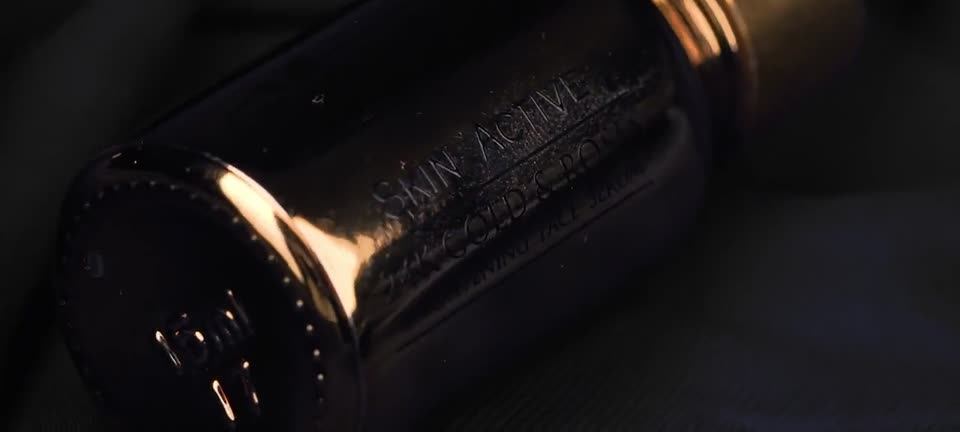
Prepare the product like it is the talent
On a product shoot, the product is the lead actor, and it needs a dressing room. Plan for:
- Spare units of every SKU you are filming, because labels scuff and packaging dents.
- Every colourway or variant that needs its own product page asset, listed in advance.
- Props that support the product without competing with it.
- Food, flowers or anything perishable bought fresh and timed to its setup.
- Someone whose only job is to keep the product clean between takes.
For larger pieces such as furniture, the logistics are a project in themselves. Our notes on shooting furniture videos that sell go into rooms, scale and styling in more detail.
Leave slack on purpose
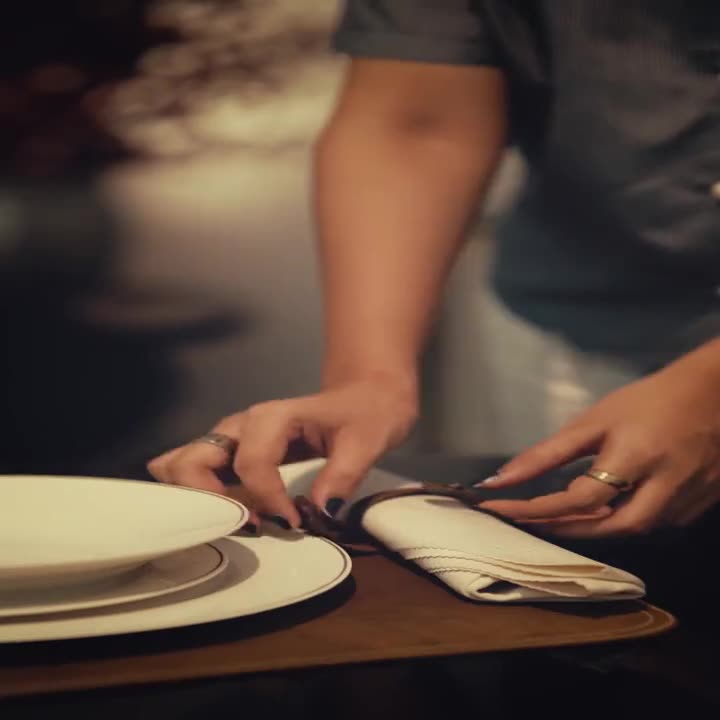
A schedule packed to the minute looks efficient on paper and falls apart by lunch. Leave a buffer after every block and an open half hour at the end of the day. Some of the most useful clips of any shoot come from the moments in between: a hand adjusting a cushion, steam rising off a plate, someone laughing at the wrong time. Those clips often outperform the planned hero shot on social, and you only get them if the crew is not sprinting.
Edit for the month, not for the shoot
The shoot day is half the job. The other half is turning the footage into a publishing pipeline:
- Tag and name files by product, setup and pillar on the same day, while everyone still remembers what is what.
- Cut the hero pieces first: the launch reel, the main ads, the product page video.
- Then cut variations. Same footage, different hook, different length, different format.
- Pull stills from the video and the stills session for product pages and email.
- Load everything into the calendar with captions, so the month runs without daily scrambling.
Keep a folder of unused clips. Next month's shoot can be smaller because last month's leftovers fill gaps.
How often should you shoot?
For most product brands, one planned shoot day a month, or one larger day each quarter with smaller top ups, is a rhythm a team can sustain. Ads are the reason to keep the cycle going. Creative wears out, and paid campaigns need a steady supply of new angles to test. If you run Meta or Google ads, plan the shoot with the ad team in the room. Our breakdown of UGC vs studio product videos is a useful read before deciding the mix.
Pehle plan, phir camera. That one line saves more budget than any lens upgrade.
Plan your next shoot day with us
Vibescape plans and runs content shoot days for furniture, beauty, food and footwear brands, then edits the footage into reels, ads and product page assets for the month. See how we work on video production, or tell us about your next shoot and we will help you build the calendar and shot list before anyone books a studio.